
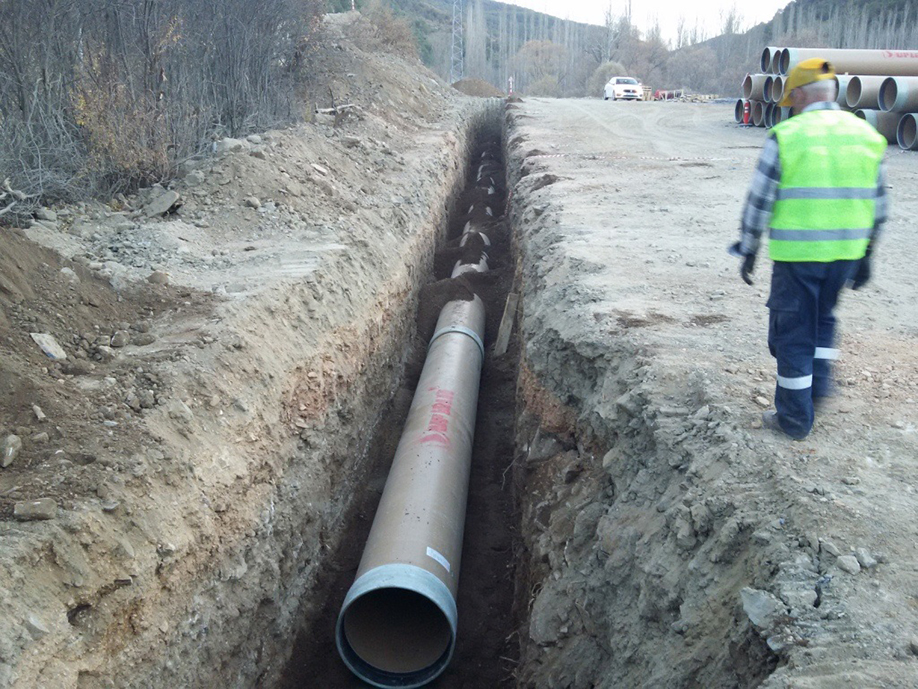
- Pipe installation
- Leak Repair
- Drain Cleaning
- Water Heater Installation
- Emergency Plumbing Services Pipe installation is a fundamental aspect of plumbing, involving the proper placement and connection of pipes to facilitate the smooth flow of liquids or gases within a building. This process is crucial for ensuring a reliable and efficient plumbing system, whether for residential, commercial, or industrial applications as noted by Carlson Plumbing Company.
Key Steps in Pipe Installation:
- Planning and Design:
- Conduct a thorough assessment of plumbing needs.
- Develop detailed plans for the layout and connections of pipes.
- Material Selection:
- Choose appropriate pipes (e.g., PVC, copper, PEX) based on application, budget, and local building codes.
- Measuring and Cutting:
- Accurately measure and cut pipes to fit the designated spaces, using appropriate tools such as pipe cutters.
- Assembly and Fitting:
- Connect pipes using fittings, ensuring secure and leak-free joints. This may involve soldering, gluing, or threading depending on the pipe material.
- Securing and Supporting:
- Properly support pipes using hangers or brackets to prevent sagging or movement.
- Testing:
- Conduct pressure tests to identify and rectify any leaks or weak points in the installation.
- Insulation:
- Install insulation in areas prone to temperature extremes to prevent freezing or overheating of pipes.
- Sealing Joints:
- Ensure proper sealing of joints with Teflon tape or pipe dope to prevent leaks.
- Final Inspection:
- Conduct a final inspection to verify compliance with building codes and regulations.
- Documentation:
- Maintain detailed records of the installation for future reference and maintenance.
Frequently Asked Questions (FAQs):
- Q: How long does a typical pipe installation take?
- A: The duration varies based on the complexity and size of the project. It can range from a day for simple installations to several weeks for larger projects.
- Q: What types of pipes are commonly used in pipe installations?
- A: Common materials include PVC, copper, PEX, and galvanized steel, chosen based on factors such as application and local building codes.
- Q: Can I install pipes without professional help?
- A: While simple installations may be possible for DIY enthusiasts, professional plumbers are recommended for complex projects to ensure safety and compliance.
- Q: How do I detect leaks after a pipe installation?
- A: Signs of leaks include water stains, low water pressure, and unusual water bills. Professional plumbers can also conduct leak detection tests.
- Q: Can pipes be installed in cold climates without freezing issues?
- A: Yes, proper insulation and preventive measures can be taken to minimize the risk of freezing in colder climates.
- Q: What tools are needed for pipe installation?
- A: Common tools include pipe cutters, wrenches, soldering equipment, threaders, and sealing materials like Teflon tape or pipe dope.
- Q: Are there regulations for pipe installations?
- A: Yes, local building codes dictate the standards and methods for pipe installations. Compliance is crucial for safety and legal reasons.
- Q: What is the lifespan of a typical pipe installation?
- A: The lifespan depends on factors such as materials used, maintenance, and environmental conditions, but a well-installed system can last for decades.
- Q: Can I reuse existing pipes during a renovation?
- A: It depends on the condition of the existing pipes. Professional assessment is recommended to determine whether reuse is feasible.
- Q: How can I ensure my pipe installation is environmentally friendly?
- Planning and Design: